
Safe Harbor 401(k)

What makes it Safe Harbor?
In exchange for a required employer contribution, the plan skips the compliance tests that trip up fast-growing teams.
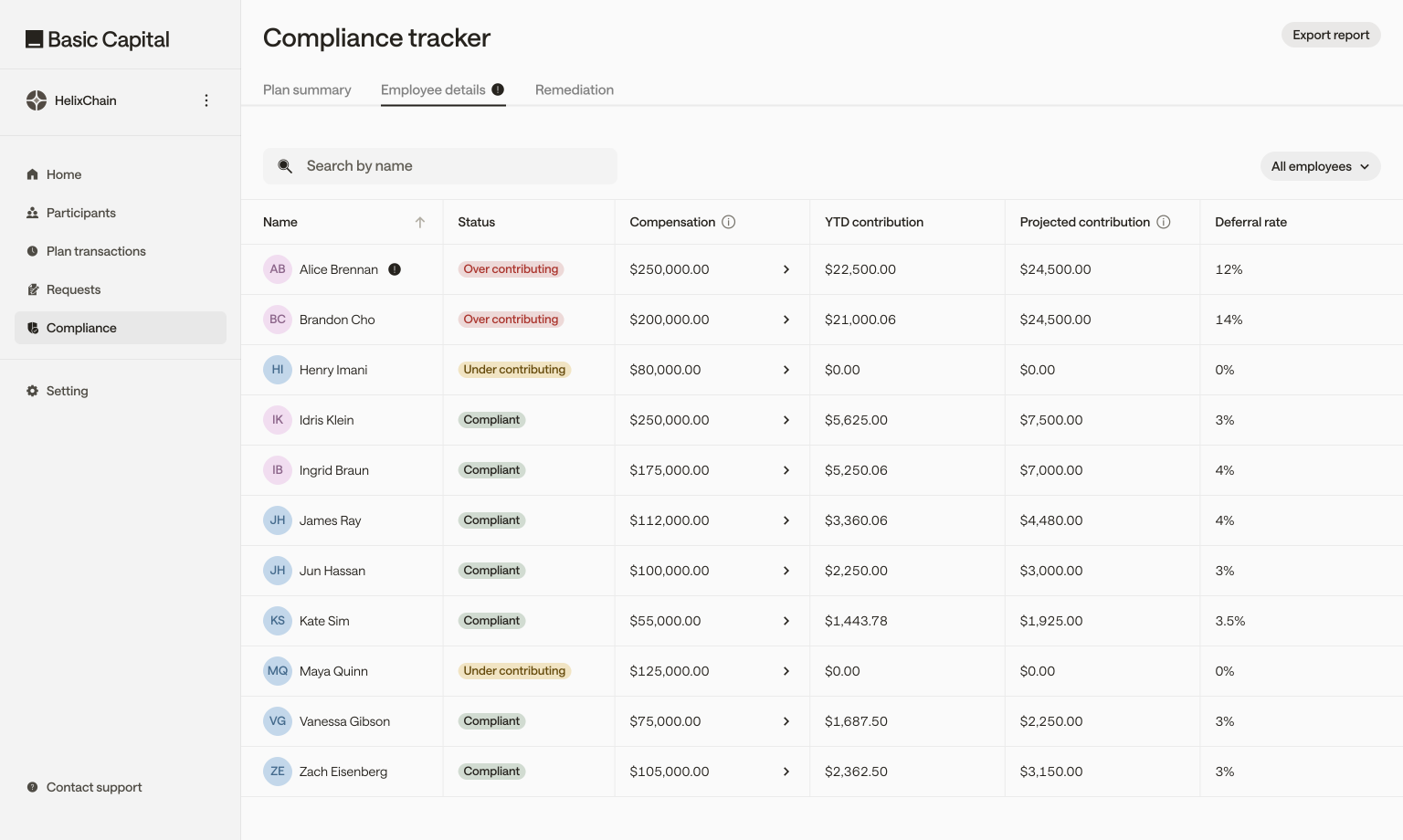
Compliant by design
Meets IRS nondiscrimination requirements by design, so you skip ADP and ACP testing and the refunds that come with failing.
Two ways to fund it
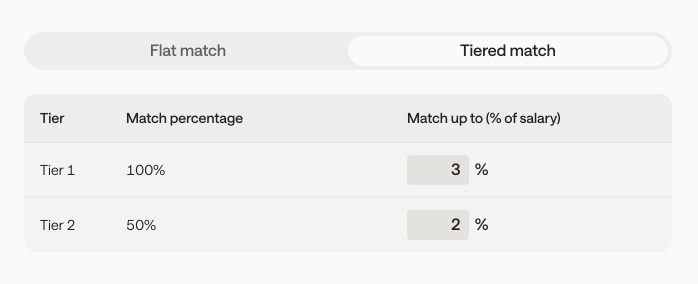
A basic match (100% of the first 3% of pay, then 50% of the next 2%) or a 3% nonelective contribution to every eligible employee

Always vested
Safe Harbor employer contributions are 100% vested the moment they land.

Automated notices
Required participant notices go out automatically, 30–90 days before each plan year.

Payroll-tied match
Direct payroll integration cuts calculation errors and late deposits.

Payroll

Basic Capital
Why teams choose it?
Built for ambitious teams, serious about building wealth.

For founders and HCEs
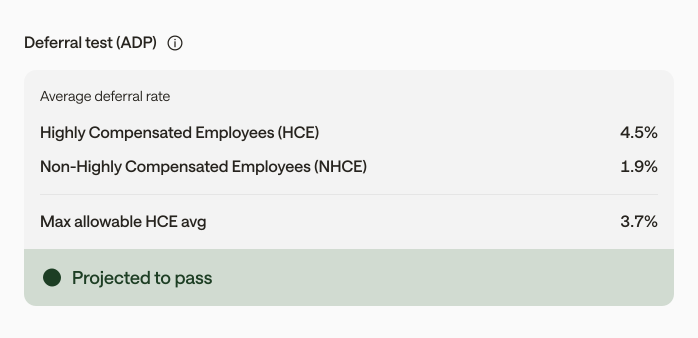
Safe Harbor removes the testing ceiling that caps high earners who want to max out.

No year-end surprises
Known contribution rules keep budgeting simple—no waiting on test results.

Compliant by design
You agree to fund the plan each year. For teams that want to save aggressively, that predictability is a feature, not a cost.

Safe Harbor 401(k) Match Formulas Compared: Which One Is Right for Your Company?
Choosing the right safe harbor 401(k) match formula can help employers balance compliance, employee participation, retirement readiness, and long-term plan costs.

Safe Harbor vs. Traditional 401(k): When Does the Switch Make Sense?
Learn the differences between safe harbor and traditional 401(k) plans, and when switching to a safe harbor structure may help employers simplify compliance, improve participation, and support long-term retirement goals.

Safe Harbor 401(k): What It Is and When It Makes Sense for Your Company
A plain-language guide for HR teams and plan sponsors on Safe Harbor 401(k) plan design, the three contribution formulas, and when it makes sense to adopt.